

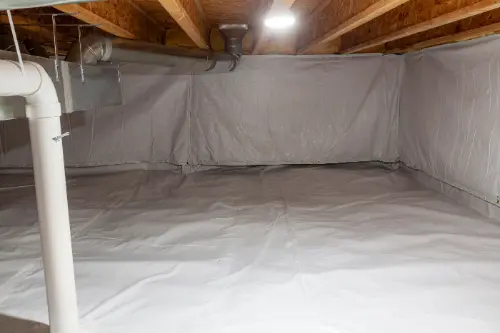
A musty smell inside a Kingsport home can be more than an unpleasant nuisance. In East Tennessee’s humid climate, odors that seem strongest near floors, closets, or lower-level rooms can sometimes point to excess moisture in the crawl space below the home.
Quick answer: Crawl space moisture can contribute to musty odors and poorer indoor air quality by creating damp conditions where mold, mildew, and other odor-producing contaminants may develop. Air and moisture can also move from a crawl space into living areas through gaps and penetrations in the floor system. Finding and controlling the moisture source is often more effective than simply trying to cover up the smell.
What local homeowners should know
-
A persistent musty odor may indicate a moisture problem even when there is no visible water inside the living space.
-
Kingsport’s humid conditions and periods of heavy rain can increase the amount of moisture around and beneath homes.
-
Homes near the Holston River and throughout the surrounding valleys can experience property-specific drainage and groundwater conditions.
-
Plumbing leaks, poor exterior drainage, open crawl space vents, and exposed soil can all contribute to crawl space humidity.
-
Dehumidifiers and air fresheners inside the home may reduce symptoms without addressing the moisture source below.
Why Does Crawl Space Moisture Matter in Kingsport?
Crawl space moisture matters in Kingsport because persistent dampness below a home can affect odors, humidity, building materials, and the air that reaches occupied rooms. East Tennessee receives moisture throughout the year, so crawl spaces can face repeated humidity and drainage challenges rather than a single isolated wet season.
Conditions vary from property to property across Sullivan County, Hawkins County, and communities surrounding Kingsport. A home on a sloped lot may deal with runoff moving toward the foundation, while another property may have moisture entering through exposed crawl space soil or foundation walls.
Older homes can present additional challenges because drainage systems, vents, insulation, and previous repairs may not manage moisture the way homeowners expect.
At Go Dry Waterproofing, we understand that a musty smell should be treated as a clue rather than simply covered with fragrance. We look at the conditions that can allow unwanted moisture to collect beneath the home so property owners can better understand what needs attention.
What Do Local Conditions Tell Us About Crawl Space Moisture?
Local conditions suggest that crawl spaces in the Kingsport area can be exposed to both outdoor humidity and water around the foundation, making moisture control a property-specific issue. Rainfall, sloped terrain, drainage patterns, exposed soil, and ventilation can all influence conditions beneath a home.
Rather than assuming every damp crawl space has the same cause, it is useful to consider where the moisture is coming from. Water may enter after storms, migrate as vapor from the soil, come through foundation materials, or originate from a plumbing problem.
These are professional field considerations rather than a claim that every local property will experience the same conditions. A crawl space near Colonial Heights, for example, can have different drainage concerns from a property closer to downtown Kingsport or the Holston River.
How Can Crawl Space Moisture Affect Indoor Air Quality?
Crawl space moisture can affect indoor air quality when damp conditions contribute to musty odors, elevated humidity, mold growth, or deterioration of materials beneath the home. Air can move between a crawl space and occupied portions of a house through openings around plumbing, wiring, ductwork, and the floor system.
That connection helps explain why homeowners sometimes notice an odor indoors even though its source is not immediately visible.
Moisture can also affect insulation, wood, stored materials, and other components in a crawl space. Addressing the conditions beneath the home can therefore be an important part of investigating persistent indoor odors instead of relying only on filters, sprays, or portable dehumidifiers upstairs.
What Are the Warning Signs of Excess Crawl Space Moisture?
Warning signs of excess crawl space moisture include musty odors, visible dampness, condensation, standing water, and changes to materials beneath the home. Kingsport homeowners should pay particular attention when these symptoms appear or become stronger following humid weather or significant rainfall.
Watch for:
-
A musty or earthy odor that repeatedly returns after cleaning.
-
Standing water or wet soil beneath the home.
-
Condensation on pipes, ductwork, or other crawl space surfaces.
-
Visible mold-like growth or staining on wood and other materials.
-
Damp, sagging, or deteriorating insulation.
-
Rust or corrosion on metal components in the crawl space.
-
Indoor floors or rooms that feel unusually humid.
-
Odors that become stronger after rain or during humid East Tennessee weather.
A single symptom does not automatically identify the cause, but multiple signs make a moisture investigation more worthwhile.
When Should You Call a Crawl Space Professional?
You should call a crawl space professional when moisture, odors, standing water, or visible deterioration keeps returning or when you cannot safely identify the source. Recurring problems usually require more than surface-level cleanup because the underlying drainage, groundwater, vapor, or humidity issue may still be present.
Homeowners can safely look for obvious exterior concerns such as clogged gutters, disconnected downspouts, or water collecting near the foundation. You can also observe the crawl space entrance without entering an area that appears unsafe.
Professional evaluation is more appropriate when the space contains standing water, suspected mold growth, damaged structural materials, electrical hazards, pests, or difficult access.
What Commonly Causes Damp Crawl Spaces Around Kingsport?
Common causes of damp crawl spaces around Kingsport include ground moisture, poor drainage, humid outside air, plumbing leaks, and water entering around the foundation. More than one source can be present at the same property, which is why identifying the cause should come before choosing a solution.
Ground moisture: Exposed soil can release water vapor into the crawl space, increasing humidity even when no puddles are visible.
Exterior drainage: Gutters, downspouts, grading, and sloped lots can influence how stormwater moves around a foundation.
Humid outdoor air: Ventilation alone does not necessarily keep a crawl space dry when outdoor air already contains substantial moisture.
Foundation water intrusion: Cracks, joints, and other vulnerable areas can allow water to enter under certain site conditions.
Plumbing problems: Slow leaks beneath kitchens, bathrooms, or supply lines can create localized dampness unrelated to rainfall.
From Lynn Garden to Colonial Heights and nearby Bloomingdale, the exact combination depends on the house, terrain, drainage, and condition of the crawl space.
How Can Homeowners Help Prevent Crawl Space Moisture?
Homeowners can help prevent crawl space moisture by managing roof runoff, checking exterior drainage, watching for plumbing leaks, and keeping the area beneath the home properly protected from ground moisture. Seasonal inspections are especially useful before and after periods of heavy rain.
Keep gutters clear and make sure downspouts carry water away from the foundation. Look for low areas where water repeatedly collects beside the house. Check accessible plumbing for signs of leakage, and pay attention to new indoor odors after storms.
Inside the crawl space, vapor barriers, drainage systems, encapsulation, and humidity control may be appropriate depending on the moisture source. DIY work should stop when standing water, electrical hazards, structural deterioration, suspected mold, or unsafe access is involved.
What Results Can Moisture Control Provide?
Effective moisture control can create a drier, more stable crawl space and may help reduce the conditions responsible for persistent musty odors. Results depend on identifying the actual source of the moisture and selecting measures appropriate for the property.
A home with primarily ground vapor may require a different approach from one receiving stormwater around the foundation. Likewise, adding a dehumidifier without controlling significant water intrusion may not address the complete problem.
The goal is not simply to make the crawl space smell better. It is to reduce the moisture conditions contributing to the problem.
What Mistakes Should Kingsport Homeowners Avoid?
Kingsport homeowners should avoid treating musty odors as an indoor cleaning problem until they have considered possible moisture sources beneath the home. Covering the odor may provide temporary relief while damp conditions continue.
Mistake: Using air fresheners to hide the smell.
Consequence: The odor may return because its source remains.
Better approach: Investigate moisture-prone areas, including the crawl space.
Mistake: Assuming standing water is the only moisture problem.
Consequence: High humidity and ground vapor can go unnoticed.
Better approach: Consider both liquid water and airborne moisture.
Mistake: Installing one solution without identifying the source.
Consequence: The original drainage or humidity problem may continue.
Better approach: Match moisture-control measures to the conditions found at the property.
What Is a Common Local Crawl Space Scenario?
A common local scenario is a Kingsport homeowner noticing an earthy smell indoors after periods of rain even though there is no obvious leak in the living area. Inspection of the crawl space may reveal damp soil, condensation, water staining, or elevated moisture conditions beneath the house.
This is an illustrative scenario, not a Go Dry Waterproofing case study. The appropriate solution would depend on what is actually causing the moisture. Exterior drainage improvements, a vapor barrier, encapsulation, water-management measures, or dehumidification could be considered depending on the findings.
Which Crawl Space Solutions May Help?
Crawl space solutions may include water management, vapor control, encapsulation, and humidity management, depending on how moisture is entering or accumulating beneath the home. The right combination should address the cause rather than simply treating a symptom.
For local properties, that can mean examining drainage around the foundation as well as conditions inside the crawl space. We can help homeowners understand which moisture-control approach is appropriate after evaluating the property.
Is DIY Moisture Control or Professional Service the Better Option?
DIY moisture control is appropriate for basic maintenance, while professional service is generally better for recurring water intrusion, persistent humidity, or conditions requiring crawl space waterproofing or encapsulation. The dividing line is usually whether the homeowner can safely identify and correct the moisture source.
Cleaning gutters or extending a disconnected downspout may be manageable. Persistent standing water, repeated dampness, difficult crawl space access, or the need for a coordinated moisture-control system calls for a more thorough evaluation.
What Areas Around Kingsport Can Experience Crawl Space Moisture?
Homes throughout Kingsport and surrounding Northeast Tennessee communities can experience crawl space moisture because conditions depend on the individual site, drainage, construction, and humidity. That includes properties in and around Sullivan County, Hawkins County, Colonial Heights, Bloomingdale, and nearby communities such as Church Hill.
Local terrain can vary over relatively short distances, making an individual property assessment more useful than assuming neighboring homes have identical moisture problems.
What Can Happen If Crawl Space Moisture Is Ignored?
Ignoring crawl space moisture can allow musty odors, high humidity, material deterioration, and other moisture-related problems to continue. The longer the underlying source remains, the more opportunity moisture has to affect insulation, wood, metal components, and conditions inside the home.
Waiting is particularly unhelpful when dampness repeatedly returns after Kingsport rain events. Finding the source early can make it easier to understand the scope of the problem and determine an appropriate response.
FAQ About Crawl Space Moisture and Musty Odors in Kingsport
Can a wet crawl space make my house smell musty in Kingsport?
Yes. A damp crawl space can contribute to musty odors when moisture supports mold, mildew, or damp materials beneath the home. Air movement through openings in the floor system can allow those odors to reach living areas. Persistent smells deserve investigation even when you cannot see water upstairs.
Why does my Kingsport home smell mustier after rain?
A stronger musty smell after rain may indicate that stormwater, soil moisture, or increased humidity is affecting the area around or beneath your home. Check gutters and exterior drainage first. If the pattern continues, the crawl space may need to be evaluated for water entry or moisture accumulation.
Does a crawl space need standing water to have a moisture problem?
No. A crawl space can have a significant moisture problem without visible standing water. Water vapor from exposed soil and humid air can raise moisture levels enough to cause condensation, odors, and damp materials. This is why a dry-looking floor does not always mean the entire space is dry.
Can Kingsport’s humidity affect a vented crawl space?
Yes. Humid outdoor air can influence conditions inside a vented crawl space, particularly during warm, moisture-heavy periods in Northeast Tennessee. Whether ventilation is contributing to a specific home’s problem depends on temperature, humidity, construction, drainage, and other conditions beneath the building.
Will crawl space encapsulation eliminate musty odors?
Encapsulation can help control ground moisture and isolate the crawl space from outside conditions, but it should be part of a solution matched to the actual moisture source. Existing water intrusion, drainage problems, leaks, or contaminated materials may also need attention. No single measure should be assumed to solve every odor problem.
Should I use a dehumidifier in my crawl space?
A crawl space dehumidifier can be useful when humidity control is part of an appropriately designed moisture-management approach. It should not be treated as a substitute for correcting active water intrusion. If water regularly enters your crawl space during Kingsport storms, the water source should also be addressed.
Can crawl space moisture damage my home?
Yes. Persistent moisture can contribute to deterioration of insulation, wood, fasteners, and other materials beneath a home. The severity depends on how much moisture is present and how long conditions persist. Finding the source early helps homeowners make informed decisions before moisture-related deterioration progresses.
When should I have my Kingsport crawl space inspected?
Have your crawl space inspected when musty odors persist, moisture repeatedly returns, water appears after storms, or you notice condensation, damaged insulation, staining, or other signs of dampness. An evaluation can help distinguish between drainage, groundwater, plumbing, ground vapor, and humidity-related causes.
Protect Your Kingsport Home From Crawl Space Moisture
A musty smell can be an early clue that conditions beneath your home deserve attention. Understanding the connection between crawl space moisture and indoor air helps Kingsport homeowners focus on the source of the problem rather than repeatedly masking its symptoms.
Create a Drier, Healthier-Feeling Home From the Ground Up
We can help you identify crawl space moisture concerns and explore solutions appropriate for your property.