

Why Crawl Space Moisture Is Such a Big Deal in Kingsport
In this area, crawl spaces take a beating. Kingsport sees changing seasons, high humidity, and periods of heavy rainfall that can leave moisture lingering under the home longer than most homeowners realize. That damp environment can create the perfect setup for musty odors, wood rot, mold growth, sagging insulation, and even damage that starts affecting the floors above.
That is why crawl space moisture control matters so much. Moisture under the house does not stay under the house. It can affect indoor air quality throughout the entire home and make your living space feel less healthy and less comfortable. If left alone long enough, it can also hurt your resale value and lead to more expensive repairs down the road.
Our Local Experience Makes a Real Difference
Not every crawl space is built the same, and not every home in this region reacts to water the same way either. That is one reason we do not believe in one-size-fits-all fixes. At Go Dry Waterproofing, we bring real knowledge of local home construction and the moisture issues that are common in the Tri-Cities area.
As a true local full-service contractor, we understand what homes in Kingsport are up against. We have spent nearly three decades solving these problems for homeowners right here in our community. That means when we recommend a system, it is based on experience, not guesswork. We design personalized solutions using our proprietary waterproofing systems so the work actually fits the home.
What Our Crawl Space Waterproofing Can Include
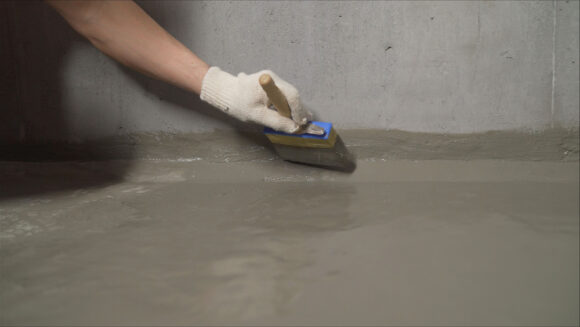
Crawl space waterproofing is about more than laying down a barrier and calling it done. A real solution has to address the source of the moisture, the condition of the space, and the long-term protection needed to keep the problem from coming back.
Depending on the home, our crawl space services may include:
- Crawl space moisture control
- Crawl space encapsulation
- Crawl space repairs
- Drainage and water management solutions
- Mold remediation support
- Sump pump installation where needed
- Sealing and protecting vulnerable crawl space areas
Our goal is to create a dry, controlled environment under your home that helps stop future issues before they start.
Crawl Space Encapsulation for Long-Term Protection
One of the most effective ways to protect a crawl space is through crawl space encapsulation. This process helps seal the space off from ongoing moisture intrusion and outside humidity, creating a more stable environment below your home.
When done properly, crawl space encapsulation can help:
- Reduce excess moisture and condensation
- Improve indoor air quality
- Lower the risk of mold growth
- Help protect wood framing and insulation
- Support better energy efficiency
- Create a cleaner, more usable crawl space
For many homeowners, encapsulation is the turning point between constantly worrying about moisture and finally feeling like the problem is under control.
Why Homeowners Choose Go Dry Waterproofing
Homeowners call us because they want a company that understands the problem and stands behind the work. We are proud to be the Tri-Cities’ premier local contractor for waterproofing and crawl space solutions, and we take that responsibility seriously.
Here is why many homeowners choose us:
- Over 28 years of experience
- Proprietary waterproofing systems
- Personalized solutions for each home
- Licensed, seasoned professionals
- Real local knowledge of Kingsport homes
- Unsurpassed 50-year warranty
- Neighbor-focused service, not high-pressure sales
We know trust matters with work like this. You are protecting your home, your health, and your investment. We do not take that lightly.
Crawl Space Repairs and Mold Prevention Go Hand in Hand
Once moisture has been present for a while, it often leaves damage behind. That is why crawl space repairs are an important part of the conversation. If materials have weakened, insulation has fallen, or mold has started to develop, those conditions need to be handled as part of the full solution.
Our team looks at the bigger picture. We do not just aim to dry out the crawl space for the moment. We work to help with crawl space mold prevention by addressing the moisture conditions that allow mold to thrive in the first place. The goal is lasting protection, not a short-term patch job.
Frequently Asked Questions
Heavy rain, high humidity, poor drainage, and open crawl spaces can all allow moisture to build up and linger under the home.
Yes. Crawl space encapsulation helps control moisture, reduce mold risk, improve air quality, and protect the structure of your home over time.
Yes. Air from the crawl space can move upward into the living space, which is why moisture and mold below the home can affect indoor air quality.
Yes. We provide crawl space repairs as part of a full solution when moisture has already caused damage in the space.
We are a true local Tri-Cities contractor with over 28 years of experience, proprietary systems, and a 50-year warranty that gives homeowners real peace of mind.