

What Kingsport Homeowners Should Understand
- Winter doesn’t eliminate moisture problems: Rainfall, groundwater, and existing damp conditions can affect crawl spaces even when outdoor temperatures are cold.
- Musty odors deserve attention: Persistent smells may indicate excessive moisture or microbial growth beneath the home.
- Cold floors can signal insulation problems: Missing insulation, air leaks, or an inadequate thermal boundary may contribute to uncomfortable floor temperatures.
- Vapor barriers help control ground moisture: Properly installed barriers can reduce water vapor entering from exposed crawl space soil.
- Encapsulation requires careful planning: An effective system should account for drainage, air sealing, insulation, and ongoing moisture management.
At Go Dry Waterproofing, we’ve spent more than 28 years helping homeowners throughout Kingsport, Johnson City, Bristol, and surrounding communities address crawl space moisture and foundation problems. As a local, family-owned waterproofing business, we understand the challenges created by East Tennessee’s rainfall, changing temperatures, and varying home construction. Our services include complete crawl space encapsulation, moisture control, drainage solutions, and repairs tailored to each property’s needs.
Why Do Crawl Spaces Develop Moisture Problems During Kingsport Winters?
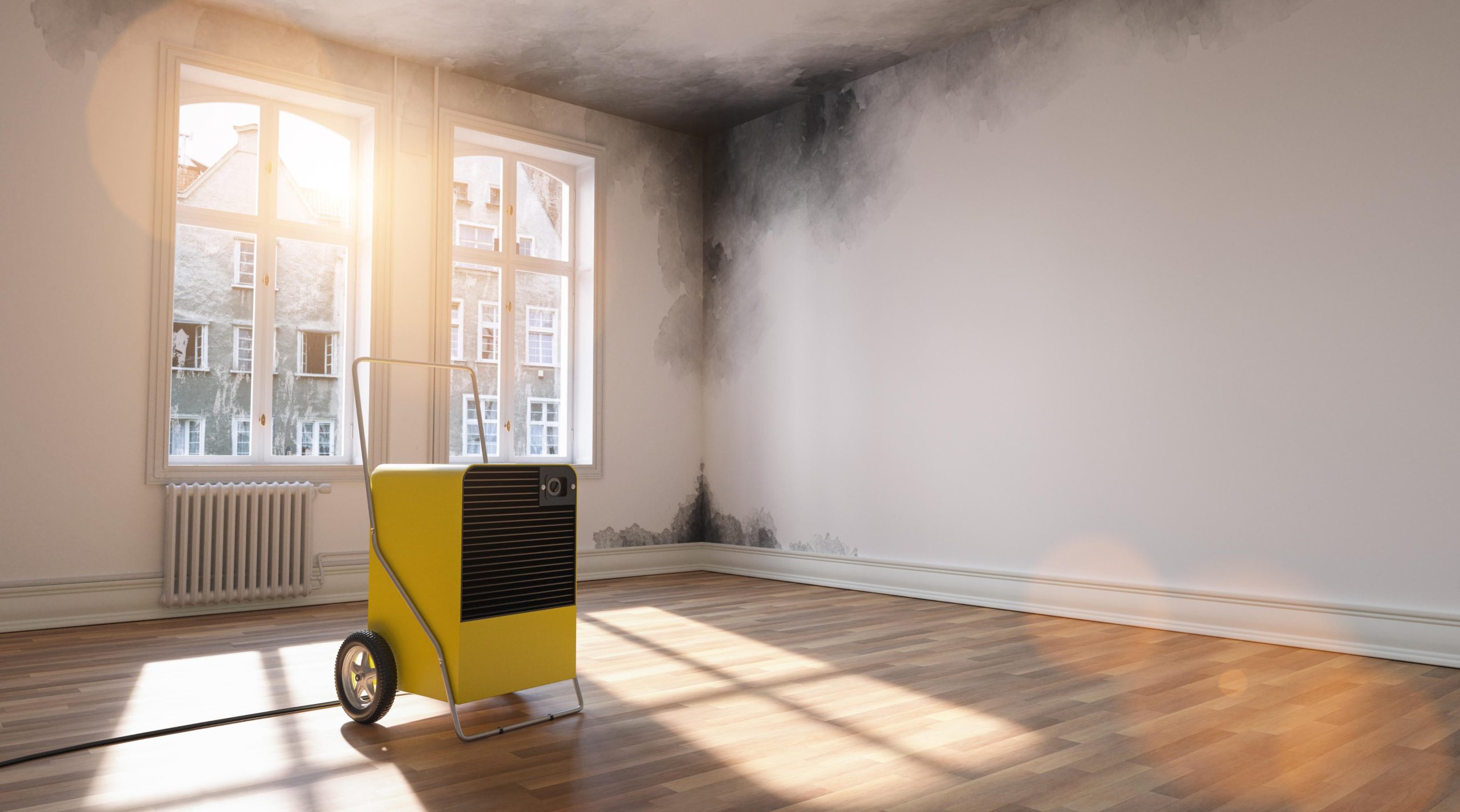
Crawl spaces develop winter moisture problems when water enters through exposed soil, inadequate drainage, foundation openings, plumbing leaks, or other moisture pathways. In Kingsport, seasonal rainfall and fluctuating temperatures can keep the ground damp, while limited airflow or unsuitable moisture management allows water to remain beneath the home.
Winter Rainfall and Saturated Soil
East Tennessee doesn’t experience consistently dry conditions throughout winter. Rainstorms can leave the ground saturated, particularly where yard grading directs runoff toward the foundation.
For homes in Kingsport neighborhoods such as Colonial Heights and Bloomingdale, sloping properties may create additional drainage concerns. Water moving downhill can accumulate near crawl space walls when appropriate drainage pathways aren’t available.
Once moisture reaches the crawl space, exposed soil may continue releasing water vapor into the air. Without an effective ground moisture barrier and suitable moisture controls, damp conditions can persist.
Changes in Temperature and Humidity
Cold outdoor temperatures don’t necessarily mean the air beneath your home will remain dry. Moisture conditions depend on the amount of water entering the space, surface temperatures, ventilation arrangements, and the crawl space’s construction.
Condensation can occur when humid air contacts a surface cold enough for water vapor to condense. However, visible moisture may also come from groundwater or plumbing leaks rather than condensation alone.
Identifying the actual moisture source is important because different problems require different solutions.
Inadequate Drainage Around the Foundation
Gutters, downspouts, and yard grading influence where rainwater travels after reaching your property. When water repeatedly collects near foundation walls, it may find its way into the crawl space.
For homeowners throughout Sullivan County, drainage problems can be especially noticeable after prolonged winter rainfall. Addressing the path of incoming water is often necessary before installing additional moisture barriers.
How Can Crawl Space Moisture Contribute to Mold and Musty Odors?
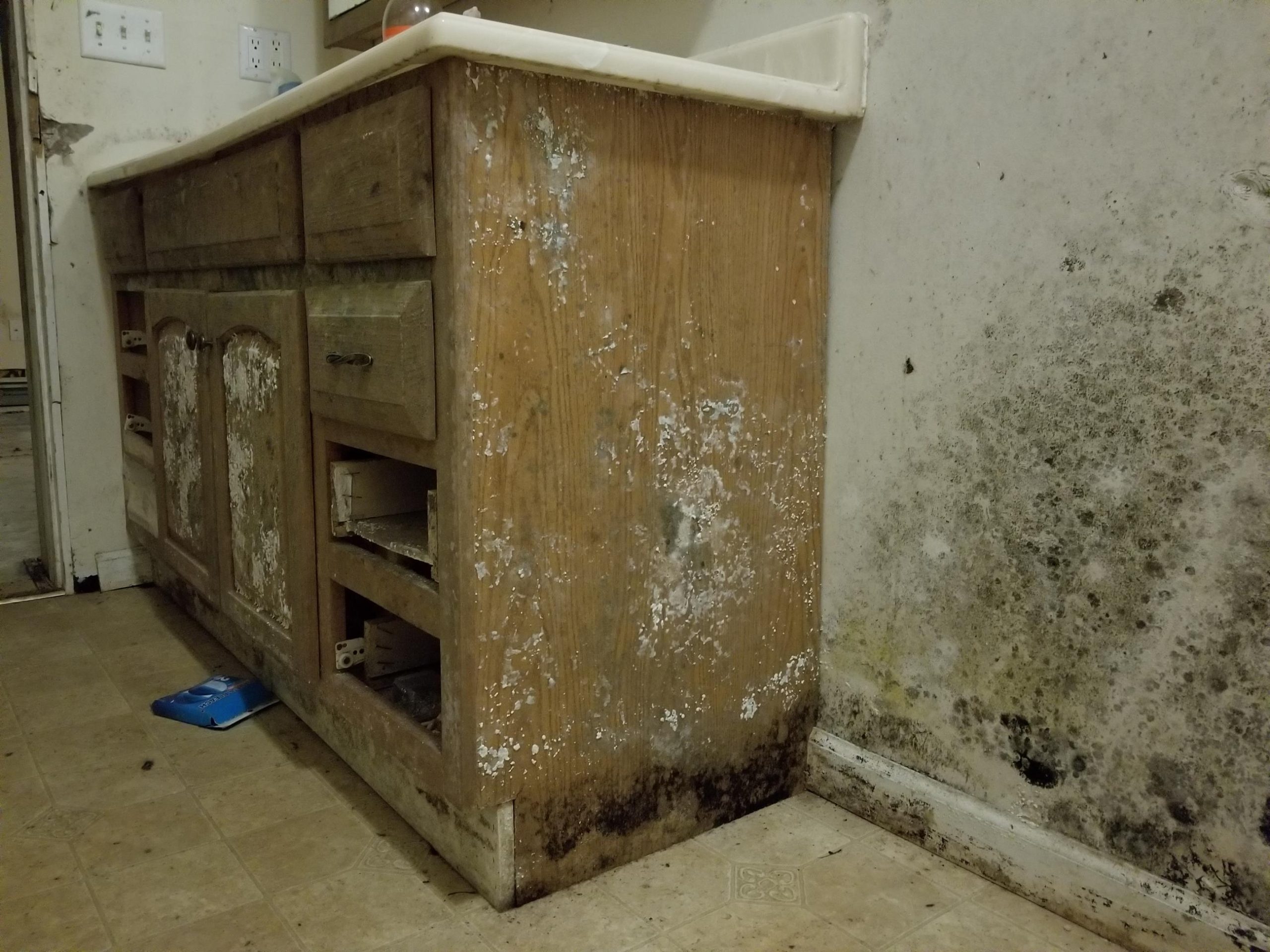
Crawl space moisture can contribute to mold growth when damp building materials provide suitable conditions for microbial growth. Musty odors may also develop when moisture remains trapped beneath a home, particularly around wood framing, insulation, and other materials that stay wet for extended periods.
Why Mold Needs Moisture
Mold spores are commonly present in indoor and outdoor environments, but growth requires appropriate conditions, including available moisture. Damp wood, contaminated insulation, and other moisture-affected materials can provide surfaces where mold develops.
The Environmental Protection Agency emphasizes that controlling moisture is essential for controlling mold. Its guidance generally recommends keeping indoor relative humidity below 60%, ideally between 30% and 50% where practical.
Those recommendations are useful for understanding moisture control, although the appropriate crawl space conditions depend on the building design and climate.
Can Crawl Space Odors Reach the Living Area?
Yes, air from a crawl space can move into living areas through gaps around plumbing, wiring, floor penetrations, and other openings. When the crawl space contains moisture-related odors, those smells may become noticeable inside the home.
For example, a Kingsport homeowner might notice a musty smell near a floor vent, utility closet, or room above the crawl space. However, odors alone cannot confirm mold, and other sources should also be investigated.
Why Covering Up the Smell Isn’t Enough
Air fresheners and temporary odor treatments don’t correct the conditions responsible for recurring dampness. If moisture continues entering the crawl space, odors may return even after the area has been cleaned.
A more effective approach involves identifying the moisture source, correcting water intrusion, and assessing any damaged materials. Existing mold contamination may require separate remediation by appropriately qualified professionals.
At Go Dry Waterproofing, our crawl space moisture control services focus on addressing the conditions that allow dampness to persist. We also provide crawl space repairs and mold remediation support when those needs are identified.
Why Are Your Floors So Cold During Winter?
Cold floors during winter often result from heat loss through an inadequately insulated floor assembly or uncontrolled air leakage between the home and an unconditioned crawl space. For Kingsport homeowners, these problems can make rooms feel uncomfortable even when the heating system is operating normally.
Missing or Damaged Insulation
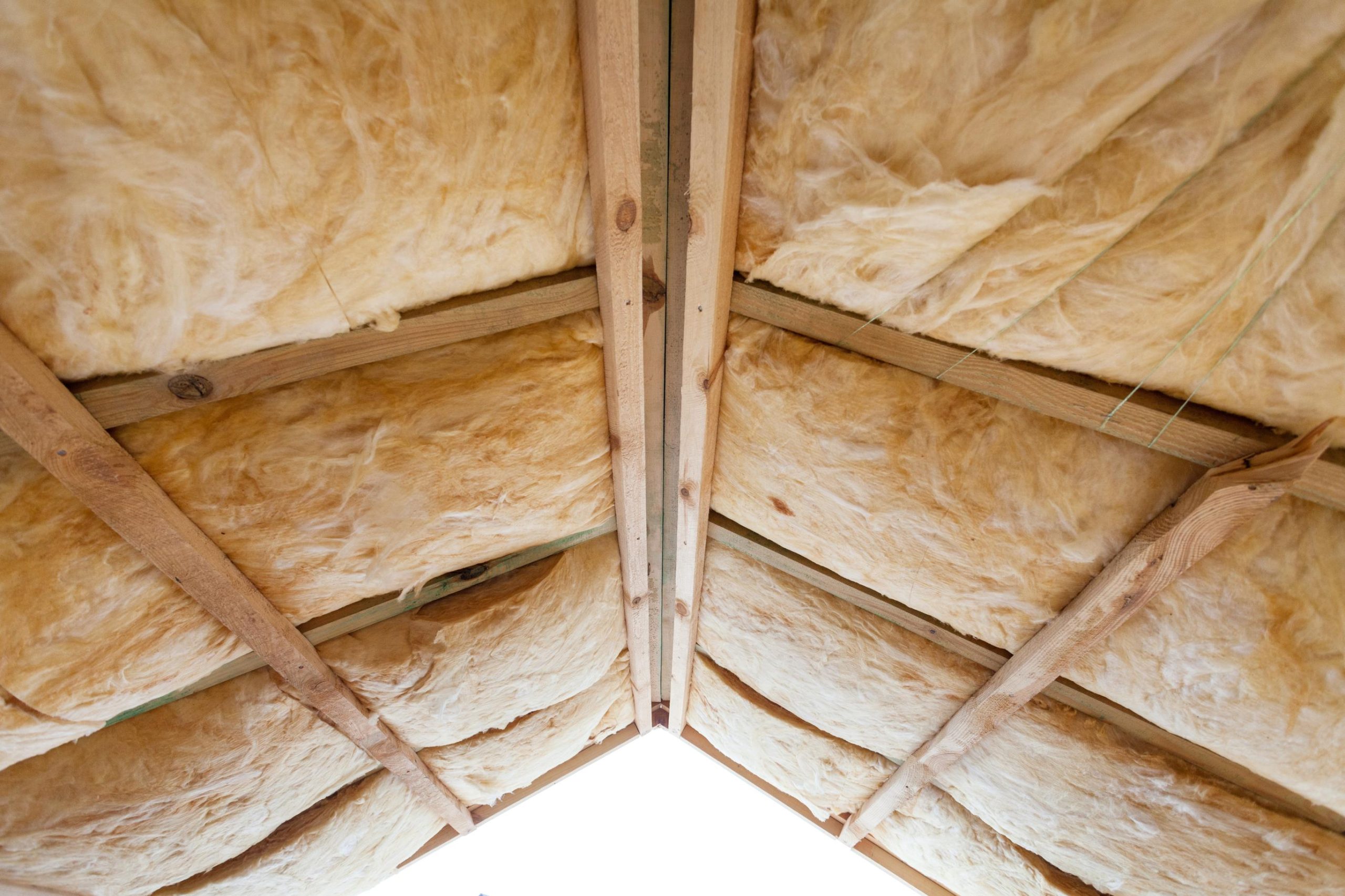
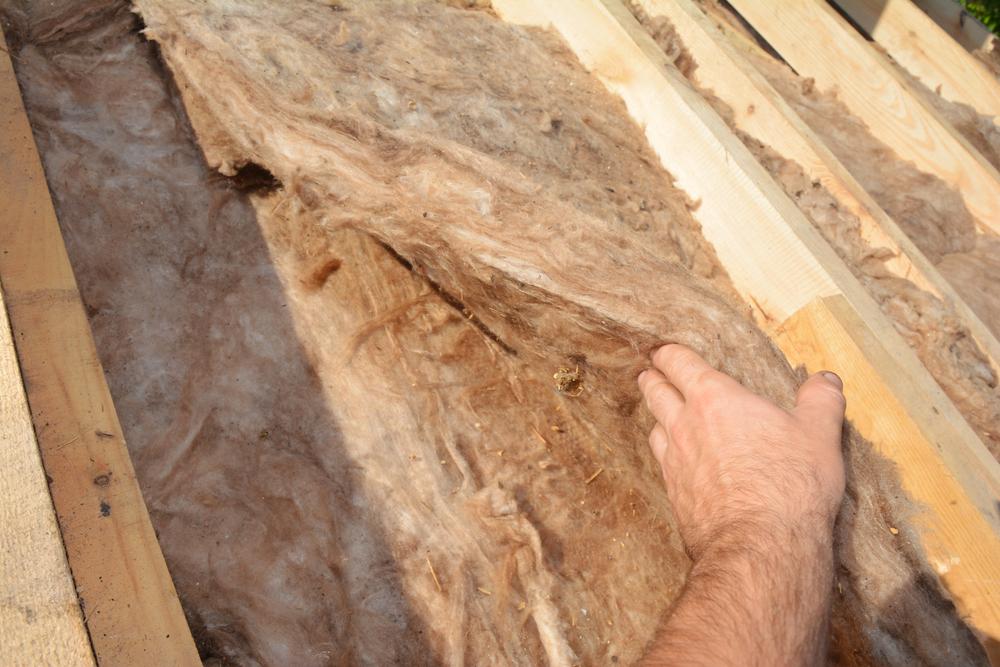
Some homes have insulation installed between the floor joists above the crawl space. If that insulation becomes displaced, compressed, or damaged, it may no longer provide the intended thermal protection.
A homeowner in Lynn Garden might notice that the living room floor feels unusually cold while nearby rooms remain comfortable. Depending on the construction, missing insulation beneath that area could be contributing to the temperature difference.
However, cold floors can also result from flooring materials, air leakage, or heating distribution problems. A professional inspection helps determine which factors are involved.
Air Leaks Around the Floor Assembly
Small openings around plumbing, wiring, ducts, and framing can allow air to move between the crawl space and living areas. These gaps may contribute to drafts and unwanted heat transfer.
During winter, a poorly sealed floor assembly can make it harder to maintain comfortable indoor temperatures. Addressing appropriate air leakage pathways may help improve comfort when combined with suitable insulation.
How Insulation and Encapsulation Work Together
The U.S. Department of Energy recognizes that floors above unconditioned crawl spaces can contribute to heat loss and uncomfortable cold floors. It also emphasizes the importance of appropriate air sealing and insulation placement.
In some homes, the floor above the crawl space serves as the thermal boundary. In others, a properly designed enclosed or conditioned crawl space may use insulation along the foundation walls.
The correct approach depends on the existing construction, moisture conditions, and applicable building requirements. Encapsulation alone doesn’t automatically eliminate cold floors, but an appropriately designed moisture, air sealing, and insulation strategy may improve thermal comfort and reduce heating demand.
What Is Crawl Space Encapsulation, and How Does It Work?
Crawl space encapsulation is a moisture management approach that typically involves covering exposed ground with a durable vapor barrier and sealing appropriate areas to reduce outside moisture entering the space. Depending on the home, an encapsulation project may also include drainage improvements, insulation, dehumidification, and repairs.
Installing a Ground Vapor Barrier
A crawl space vapor barrier is a material designed to limit water vapor movement from exposed soil. When installed as part of a suitable system, it helps reduce one common source of moisture beneath the home.
A complete encapsulation approach generally requires careful attention to seams, edges, columns, and other penetrations. The materials and installation details should be selected according to the crawl space’s construction and intended moisture control strategy.
Simply laying loose plastic over the ground may not provide the same performance as a properly designed system. A vapor barrier also won’t stop active flooding or repair a leaking water line.
Sealing Appropriate Openings
Uncontrolled outside air movement can affect crawl space humidity and temperature. Depending on the design, sealing selected vents, gaps, and other openings may help create a more controlled environment.
However, sealing a crawl space changes how it manages air and moisture. Combustion appliances, ventilation requirements, and other building conditions must be evaluated before making modifications.
Managing Existing Groundwater
If water enters during heavy rain, drainage improvements may need to come before or accompany encapsulation. Depending on the property, these could involve interior drainage, sump pumps, foundation waterproofing, or exterior runoff management.
Our crawl space waterproofing services include moisture management, encapsulation, sump pump installation where needed, drainage solutions, and repairs. We evaluate the conditions beneath each home to determine which combination of improvements is appropriate.
Maintaining Suitable Humidity
Some encapsulated crawl spaces require additional humidity management after installation. A properly selected dehumidifier or another approved conditioning strategy may help maintain the intended environment.
Equipment selection should reflect crawl space size, water conditions, and the building’s design. Long-term monitoring also helps homeowners determine whether moisture remains under control.
What Are the Warning Signs Your Crawl Space Needs Attention?
Common warning signs of crawl space moisture problems include musty odors, visible water, damaged insulation, condensation, and deteriorating wood. Homes throughout Kingsport may experience one or several of these symptoms, particularly after periods of heavy rain or seasonal temperature changes.
Look for the following conditions:
- Persistent musty smells: Odors become noticeable near floors, vents, or enclosed rooms.
- Cold or drafty floors: Living areas above the crawl space feel unusually uncomfortable.
- Standing water: Puddles appear beneath the home after rainfall.
- Sagging insulation: Insulation hangs below floor joists or appears damp.
- Visible condensation: Moisture collects on pipes, ducts, or other surfaces.
- Wood discoloration or deterioration: Framing shows staining, softness, or other changes.
- Suspected mold growth: Unusual patches appear on suitable surfaces.
- Recurring high humidity: Moisture readings remain elevated or vary significantly after wet weather.
These symptoms deserve evaluation, but they don’t all indicate the same underlying problem. A moisture inspection can help identify whether the main concern involves groundwater, condensation, plumbing, insulation, or other conditions.
Avoid entering crawl spaces with standing water, exposed electrical hazards, suspected structural instability, or possible contamination. Professional assistance is safer when access conditions are uncertain.
What Can Kingsport Homeowners Do Before Winter Moisture Gets Worse?
Kingsport homeowners can reduce certain crawl space moisture risks by maintaining drainage, checking for visible water intrusion, monitoring indoor humidity, and addressing leaks promptly. These practical steps can help identify developing problems before colder weather makes access or repairs more inconvenient.
Check Gutters and Downspouts
Clean leaves and debris from gutters so roof runoff can move through the drainage system properly. Make sure downspouts discharge water away from the foundation without creating pooling near crawl space walls.
For homes in Church Hill, Mount Carmel, and surrounding communities, sloping yards can influence where runoff collects. Observe drainage patterns after a heavy rain to identify areas requiring attention.
Watch for Plumbing Leaks
Crawl spaces often contain supply pipes, drain lines, and other plumbing components. A small leak may continue introducing moisture beneath the home even when outdoor conditions are relatively dry.
If you notice unexplained moisture or persistent dampness, a plumbing inspection may be appropriate. Encapsulation shouldn’t be used to conceal an active leak.
Monitor Indoor Comfort and Humidity
Pay attention to changes in floor temperature, room comfort, and recurring odors. If you have a reliable humidity monitor, tracking readings over time may help identify patterns.
However, a reading taken inside the living area doesn’t necessarily represent conditions in the crawl space. A professional moisture assessment may be needed to understand what’s happening beneath the home.
Avoid Covering Up Existing Damage
Installing new insulation or a basic ground covering without addressing wet materials can leave underlying problems unresolved. Damaged insulation, active leaks, and deteriorating framing should be evaluated before encapsulation.
The better approach is to identify the cause, correct the water source, and then select suitable moisture and thermal protection measures.
When Should You Consider Professional Crawl Space Waterproofing?
Professional crawl space waterproofing is worth considering when moisture keeps returning, insulation is repeatedly damaged, or drainage problems are affecting the area beneath your home. A qualified evaluation helps determine whether encapsulation, drainage, repairs, or other improvements are necessary.
When Moisture Problems Keep Returning
A single small spill or isolated plumbing leak may be resolved through prompt repairs and drying. However, recurring standing water after storms suggests that the crawl space may have a more persistent drainage problem.
For homes around Colonial Heights and the Holston River Valley, landscape conditions and foundation drainage can influence water movement. The recommended solution should address the actual entry pathway rather than relying on surface coverings alone.
When Cold Floors and Moisture Occur Together
If your home has both cold floors and persistent crawl space dampness, a comprehensive assessment can be particularly useful. The conditions may involve separate moisture and insulation problems that require coordinated solutions.
For example, drainage may need correction before damaged insulation can be replaced. In another home, the existing crawl space design may support a more comprehensive encapsulation and thermal protection approach.
When You Want Long-Term Moisture Management
At Go Dry Waterproofing, we provide crawl space waterproofing, complete encapsulation, drainage management, and related repairs for homeowners throughout the Tri-Cities. With nearly 3 decades of local experience, we understand the importance of addressing water intrusion rather than relying on temporary fixes.
Our qualifying waterproofing work is backed by a published 50-year warranty, with coverage governed by the specific written terms. We also offer free, no-obligation inspections to help homeowners understand their options.
Dealing with musty odors or cold floors? Contact our team to schedule a crawl space moisture inspection in Kingsport, TN.
Make Your Kingsport Home More Comfortable From the Ground Up
Cold floors and musty smells might seem like ordinary annoyances during an East Tennessee winter, but they’re worth investigating when they keep returning. A crawl space affected by excess moisture or inadequate insulation can influence the comfort of the rooms above and create conditions that damage building materials over time. Fortunately, addressing water intrusion, improving moisture control, and selecting appropriate insulation measures can help create a more stable environment beneath your home. The key is understanding what’s causing the problem before choosing a solution.
At Go Dry Waterproofing, we’ve spent more than 28 years helping families throughout Kingsport, Johnson City, Bristol, and surrounding Tri-Cities communities protect their basements and crawl spaces. As a locally based, family-owned business, we’re familiar with the moisture challenges that East Tennessee homeowners face during every season. From complete crawl space encapsulation and vapor barriers to drainage improvements and repairs, we provide personalized solutions designed around each property’s conditions. If you’re noticing persistent moisture, unpleasant odors, or unusually cold floors, we’re here to help you understand your options.
Frequently Asked Questions About Crawl Space Moisture in Kingsport, TN
A musty crawl space smell may indicate persistent moisture, microbial growth, or damp building materials beneath the home. In Kingsport, winter rainfall and limited drying conditions can contribute to recurring dampness, although the specific source should be evaluated before selecting a treatment.
Properly designed crawl space encapsulation can reduce excess moisture and help lower conditions favorable to mold growth. However, it doesn’t automatically remove existing contamination, correct every water source, or guarantee that mold will never develop, so drainage and damaged materials must also be addressed.
Encapsulation may contribute to warmer floors when combined with appropriate air sealing and insulation improvements. However, the actual result depends on the location of the home’s thermal boundary, existing floor insulation, crawl space construction, and other factors affecting indoor comfort.
A vapor barrier primarily limits moisture vapor entering from soil or other surfaces, while encapsulation involves a broader approach to controlling the crawl space environment. Depending on the property, encapsulation may also require sealing, drainage, insulation, humidity management, and repairs.
A damp crawl space may contribute indirectly to heating demands when moisture damages insulation or air leakage allows unwanted heat transfer. However, heating costs depend on many factors, and water intrusion alone doesn’t establish that encapsulation will produce a specific energy-bill reduction.
No, not every crawl space requires a dehumidifier. The need depends on whether the space is vented, enclosed, or conditioned, the amount of moisture entering, and how the overall system manages humidity and ventilation.
Recurring standing water, wet soil after rainfall, and repeated moisture entry near foundation walls can indicate that drainage improvements are needed. An inspection can help determine whether the issue involves surface runoff, groundwater, plumbing, or another source requiring a different solution.
Yes, we provide crawl space encapsulation, waterproofing, moisture management, drainage solutions, and repairs for homeowners throughout Kingsport and the surrounding Tri-Cities. Our team evaluates each home’s conditions before recommending an approach suited to the property.