

When homeowners neglect to seal their homes properly, they invite a cascade of problems that can compromise the structural integrity of their property. Understanding damage from unsealed homes is essential for anyone looking to protect their investment. The risks of not waterproofing your house extend far beyond simple water stains on walls. This comprehensive guide explores the serious consequences of ignoring exterior maintenance and the hidden costs of poor home sealing that can affect homeowners for years to come.
The Foundation of Home Protection
Your home’s exterior serves as the first line of defense against the elements. When gaps, cracks, and unsealed areas exist, water, air, and pests gain unrestricted access to your property’s interior. Common home sealing failures often begin with small, seemingly insignificant openings around windows, doors, and foundation areas. These entry points allow moisture to penetrate deep into walls, attics, and basements where it can cause extensive damage over time.
The process of water infiltration happens gradually, making it easy for homeowners to overlook early signs. Rain and melting snow seek the path of least resistance, and unsealed homes provide multiple opportunities for water to enter. What starts as a minor moisture problem can develop into a serious issue affecting the entire structure. The risks of not waterproofing your house become increasingly apparent when you consider the long-term consequences of water exposure on building materials.
Water Damage Symptoms in Homes
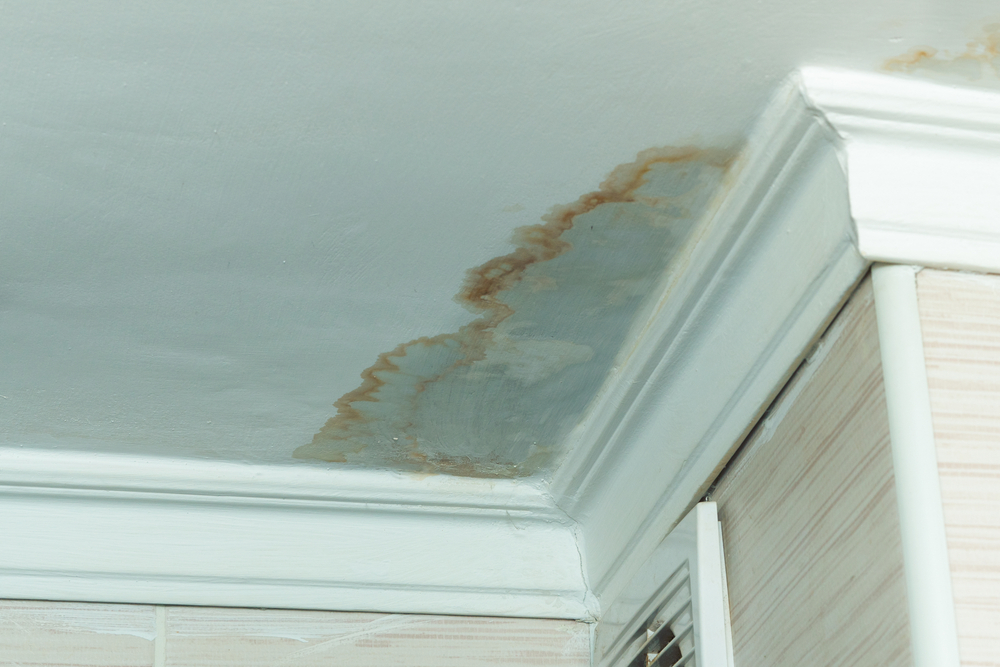
Recognizing water damage symptoms in homes is crucial for early intervention. Homeowners should watch for discoloration on ceilings and walls, which often appears as brown or yellow stains. These marks indicate that water is traveling through the structure, leaving behind evidence of its path. Peeling paint and wallpaper also suggest moisture problems, as water compromises the adhesive properties of these materials.
Musty odors in basements, crawl spaces, or attics are another telltale sign of moisture intrusion. This smell comes from mold and mildew growth, which flourish in damp environments. Visible mold growth on surfaces represents an advanced stage of water damage that requires immediate attention. Warped wood, soft drywall, and sagging ceilings all indicate that structural materials have absorbed excessive moisture and are beginning to fail.
Water damage symptoms in homes also include increased humidity levels and condensation on windows. You might notice that your home feels consistently damp or uncomfortable, even when outdoor conditions are dry. These environmental changes suggest that unsealed areas are allowing moisture to enter continuously. The longer these conditions persist, the more extensive the damage becomes and the more expensive the repairs will be.
Structural Damage from Moisture
Structural damage from moisture represents one of the most serious consequences of unsealed homes. Wood framing, joists, and beams absorb water and begin to weaken as the moisture content increases. This softening of the wood reduces its load-bearing capacity, creating safety hazards and compromising the stability of your entire home. In severe cases, wooden structural elements may rot completely, requiring replacement of large sections of the framework.
Concrete foundations and basement walls also suffer from prolonged moisture exposure. Water enters through cracks and unsealed joints, causing the concrete to expand and deteriorate. This process, called spalling, causes the surface to chip and flake away, eventually leading to structural cracks that span the entire foundation. These failures can affect the levelness of floors and the alignment of walls throughout the home.
Steel components in your home’s structure are equally vulnerable to moisture damage. Unsealed homes expose steel beams and connectors to humidity and moisture, which trigger rust formation. Rust weakens steel and reduces its structural capacity. Once rust begins, it spreads rapidly if the moisture source remains unsealed. The structural damage from moisture can ultimately threaten the safety of everyone living in the home, making it a critical concern for homeowners.
Hidden Costs of Poor Home Sealing
The hidden costs of poor home sealing extend far beyond the initial repair expenses. When water enters your home, it creates conditions suitable for mold growth, which requires professional remediation. Mold removal can cost thousands of dollars depending on the extent of the problem. Additionally, mold exposure poses health risks to family members, potentially leading to medical expenses and decreased quality of life.
Energy costs increase significantly in homes with poor sealing. Gaps and cracks allow conditioned air to escape, forcing your heating and cooling systems to work harder to maintain comfortable temperatures. This inefficiency adds hundreds of dollars to annual utility bills. Over the lifetime of a home, these energy losses represent a substantial financial burden that accumulates quietly year after year.
Insurance complications often arise from water damage in unsealed homes. Many insurance policies exclude damage resulting from lack of maintenance or poor weatherproofing. You may find that your claim is denied, leaving you to cover repair costs entirely from your own pocket. Some insurance companies increase premiums significantly after water damage claims, while others may cancel coverage altogether.
The hidden costs of poor home sealing also include reduced property value. Potential buyers are aware of water damage and structural issues, and they factor these concerns into their offers. A home with a history of moisture problems typically sells for considerably less than comparable homes in good condition. This depreciation can result in losses of tens of thousands of dollars when you decide to sell.
Consequences of Ignoring Exterior Maintenance
Consequences of ignoring exterior maintenance compound over time, creating increasingly difficult situations for homeowners. A small unsealed crack around a foundation may seem minor, but as seasons change and the structure shifts, that crack widens. Water enters more freely, and the damage accelerates. What could have been fixed with simple caulking now requires foundation repair, a far more expensive and invasive process.
Neglected gutters and downspouts fail to direct water away from your home’s foundation, allowing it to pool around the structure. This standing water penetrates through any unsealed areas and floods basements or crawl spaces. Continuous moisture exposure in these spaces promotes mold growth and wood decay that spreads throughout the lower levels of your home. The consequences of ignoring exterior maintenance in gutter systems alone can cost thousands to remediate.
Unpainted or poorly maintained wood siding and trim absorb moisture directly from rain and humidity. Paint serves as a protective barrier that prevents water from penetrating the wood beneath. Without this protection, wood expands and contracts as moisture levels fluctuate, creating cracks and checks where water can enter. The damage spreads into the wall cavities behind the siding, affecting insulation, framing, and interior finishes.
Roof leaks represent another consequence of ignoring exterior maintenance that homeowners often underestimate. Even small holes in roofing materials allow water to drip into attics and walls. Over months and years, this water damage weakens roof framing and spreads throughout the upper portions of the home. By the time the damage becomes visible inside the house, the underlying structural problems have become severe and require expensive repairs.
Protecting Your Home Today
Understanding the risks of not waterproofing your house empowers you to take preventive action. Regular inspection of your home’s exterior allows you to identify potential problems before they develop into serious issues. Check caulking around windows and doors annually, replacing it when it cracks or gaps appear. Seal foundation cracks promptly with appropriate materials designed for this purpose.
Maintain your roof by replacing damaged or missing shingles and ensuring that all penetrations like vents and chimneys are properly sealed. Keep gutters and downspouts clean and functioning to direct water away from your foundation. Apply fresh paint and sealant to wood siding and trim every several years to maintain the protective barrier against moisture.
Addressing damage from unsealed homes as soon as problems appear prevents exponential growth of the damage. A small water stain should trigger investigation and repair, not dismissal. Mold growth requires professional attention and moisture source elimination. Structural damage demands immediate professional assessment to determine the extent of the problem and appropriate remediation steps.
Conclusion
Unsealed homes face devastating damage from moisture, mold, and structural failure. The risks of not waterproofing your house affect not only property integrity but also family health and financial security. By understanding water damage symptoms in homes and taking preventive action, homeowners can protect their investments and maintain safe, healthy living environments for years to come.
Need Waterproofing Services Near You?
At Go Dry Waterproofing, we take pride in being Kingsport’s trusted experts in protecting homes and businesses from costly water damage, delivering dependable solutions like basement waterproofing, foundation repair, crawlspace encapsulation, sump pump installation, and mold remediation with a commitment to quality and long-term results. Our experienced team uses proven techniques and attentive service to ensure your property stays safe, dry, and structurally sound, giving you confidence and peace of mind no matter the season. If you are ready to safeguard your property with a team that puts your needs first, reach out to us today to schedule your consultation and get started.