

As temperatures begin to rise and summer approaches, many homeowners focus on cleaning and landscaping. However, one critical task often gets overlooked: resealing your home for summer. Proper weatherproofing for hot climates is essential for maintaining comfort, reducing energy costs, and protecting your property from heat damage and moisture intrusion. This comprehensive home waterproofing guide will help you understand why sealing your home matters and how to create an effective exterior home maintenance checklist before the heat arrives.
Why Summer Sealing Matters
Summer heat can be incredibly demanding on your home’s structure and systems. Without proper preparation, your home becomes vulnerable to various issues. The sun’s intense rays can cause expansion and contraction of materials, creating gaps and cracks where air can escape. These openings allow cool air from your air conditioning system to leak outside, forcing your HVAC unit to work overtime and significantly increasing your energy bills.
Beyond energy efficiency, sealing air leaks for summer protects your home from moisture intrusion. As temperatures fluctuate between hot days and cooler nights, condensation forms both inside and outside your walls. This moisture can lead to mold growth, wood rot, and structural damage that may take years to notice. Preparing home exterior for heat involves addressing these vulnerabilities now, before summer stress tests your home’s defenses.
Identifying Common Air Leaks and Weak Points
Before you can effectively seal your home, you need to know where problems exist. Common areas where air leaks occur include windows and doors, which account for significant energy loss in most homes. Check the caulking and weatherstripping around every window and door frame. Look for visible gaps, cracked caulk, or weatherstripping that no longer compresses when touched.
Foundation cracks present another major concern. Inspect your basement or crawl space for cracks in concrete or mortar. Even hairline cracks allow moisture and hot air to enter. Additionally, examine areas where different materials meet, such as where brick meets trim or where siding connects to the foundation. These transition zones are particularly vulnerable to air infiltration and need special attention.
Utility penetrations like electrical outlets, plumbing vents, and HVAC ducts often have improper sealing. Look around these areas carefully for gaps or deteriorated sealant. Your attic deserves attention too, as warm air naturally rises and escapes through poorly sealed ceiling penetrations, recessed lights, and soffit vents. Creating a detailed exterior home maintenance checklist will help ensure you don’t miss these critical areas.
Caulking and Weatherstripping: Your First Line of Defense
Once you have identified problem areas, caulking becomes your primary tool. Quality caulk designed for exterior use creates a flexible seal that expands and contracts with temperature changes. Silicone-based caulk works well for most exterior applications and lasts longer than acrylic alternatives. When applying caulk, clean the area thoroughly, remove old caulk completely, and apply a smooth, consistent bead.
Weatherstripping around doors and windows provides another essential defense against sealing air leaks for summer. Several types exist, including foam tape, rubber, and vinyl. Foam tape works best for gaps less than one quarter inch, while rubber or vinyl suits larger gaps. Replace weatherstripping every few years as it compresses and loses effectiveness over time. Pay special attention to the bottom of exterior doors, where gaps develop quickly from foot traffic and temperature changes.
Your home waterproofing guide should include information about door sweeps as well. These simple devices attach to the bottom of doors and seal the gap between the door and threshold. They are inexpensive, easy to install, and highly effective. Consider installing door sweeps on all exterior doors, especially those facing direct sunlight.
Addressing Windows and Skylights Thoroughly
Windows require special attention when preparing home exterior for heat. Check the interior and exterior caulking around each window frame. Often, exterior caulk deteriorates while interior caulk appears fine, creating a false sense of security. Remove any cracked or peeling caulk and reapply fresh sealant.
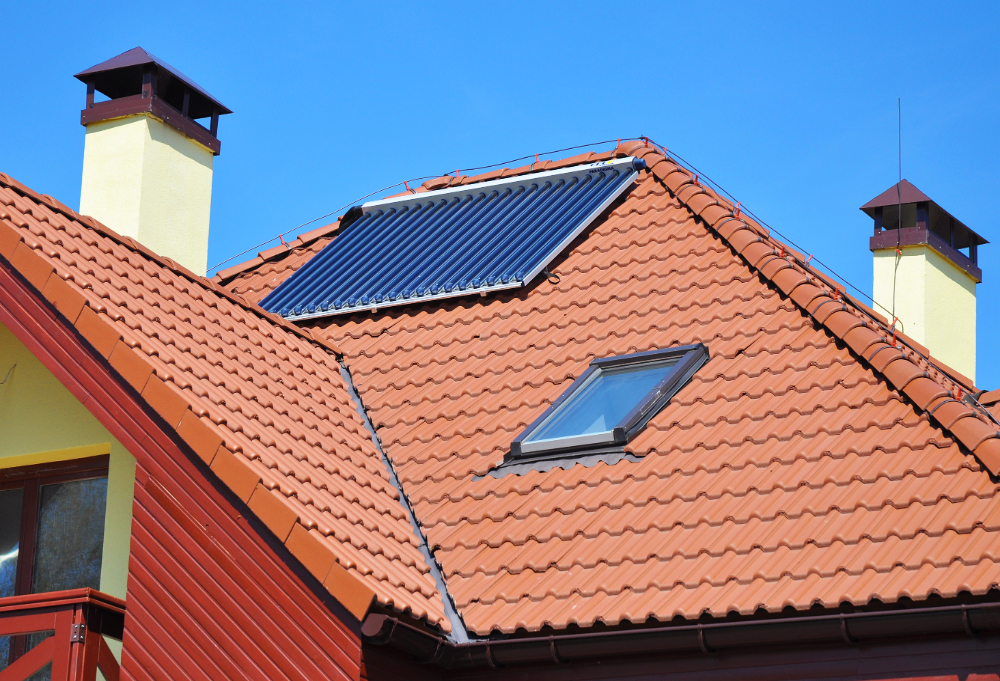
For skylights and roof penetrations, inspect the flashing carefully. Flashing is the metal barrier designed to direct water away from openings. Look for gaps between the flashing and surrounding roofing materials, areas where sealant has cracked, or corrosion on the metal itself. These problems lead to water leaks that can damage insulation, framing, and interior finishes.
Consider upgrading to high-performance windows if your current windows are old and single-pane. Modern windows with low-emissivity coatings reflect heat while allowing light in, dramatically improving weatherproofing for hot climates. While more expensive initially, they pay for themselves through reduced cooling costs over several years.
Protecting Your Foundation and Exterior Surfaces
Your home’s foundation serves as the critical barrier between your interior spaces and the ground. Inspect concrete or brick foundations for cracks, chips, or areas where mortar is missing. Concrete patching compounds seal small cracks effectively, while larger cracks may require professional attention. Address foundation issues immediately, as water damage compounds over time.
The exterior walls also need examination as part of your exterior home maintenance checklist. Look for gaps where different materials meet, such as where wood trim adjoins brick or vinyl siding. Check for damaged or missing caulk around utility penetrations. Examine siding for cracks, warping, or separation from the house. Any openings allow hot air and moisture to compromise your wall cavity.
Resealing home for summer extends to protecting your roof as well. Walk around your house and look up at the roofline from various angles. Look for missing or damaged shingles, visible gaps around vents or chimneys, and areas where ice and water shield may be exposed. Have a professional inspect and repair your roof if you spot significant damage, as roof leaks cause expensive interior damage.
Creating Your Summer Preparation Action Plan
Developing a comprehensive action plan ensures nothing gets overlooked. Start by creating your exterior home maintenance checklist, noting each area that needs attention. Prioritize based on severity: water leaks come first, followed by major air leaks, then minor improvements. Group tasks by location so you work efficiently.
Schedule your sealing projects for spring, before summer heat becomes extreme. Most caulk and weatherstripping products require specific temperature ranges during installation. Typically, these should be applied when temperatures are between 40 and 85 degrees Fahrenheit. Rushing projects during extreme heat or cold produces poor results.
Gather quality materials before starting. Investing in premium caulk, weatherstripping, and tools prevents frustration and produces longer-lasting results. Read product instructions carefully, as different materials have different application requirements. Don’t hesitate to hire professionals for tasks like roof repairs, foundation work, or complex flashing issues.
Conclusion
Sealing your home before summer arrives is an investment in comfort, efficiency, and longevity. By following this home waterproofing guide and developing a thorough exterior home maintenance checklist, you protect your property from heat damage, reduce energy costs, and prevent costly moisture-related problems. Start your inspection today and tackle the most pressing issues first. Your cooling system and your utility bills will thank you when summer heat arrives.
Need Waterproofing Services Near You?
At Go Dry Waterproofing, we take pride in being Kingsport’s trusted experts in protecting homes and businesses from costly water damage, delivering dependable solutions like basement waterproofing, foundation repair, crawlspace encapsulation, sump pump installation, and mold remediation with a commitment to quality and long-term results. Our experienced team uses proven techniques and attentive service to ensure your property stays safe, dry, and structurally sound, giving you confidence and peace of mind no matter the season. If you are ready to safeguard your property with a team that puts your needs first, reach out to us today to schedule your consultation and get started.