

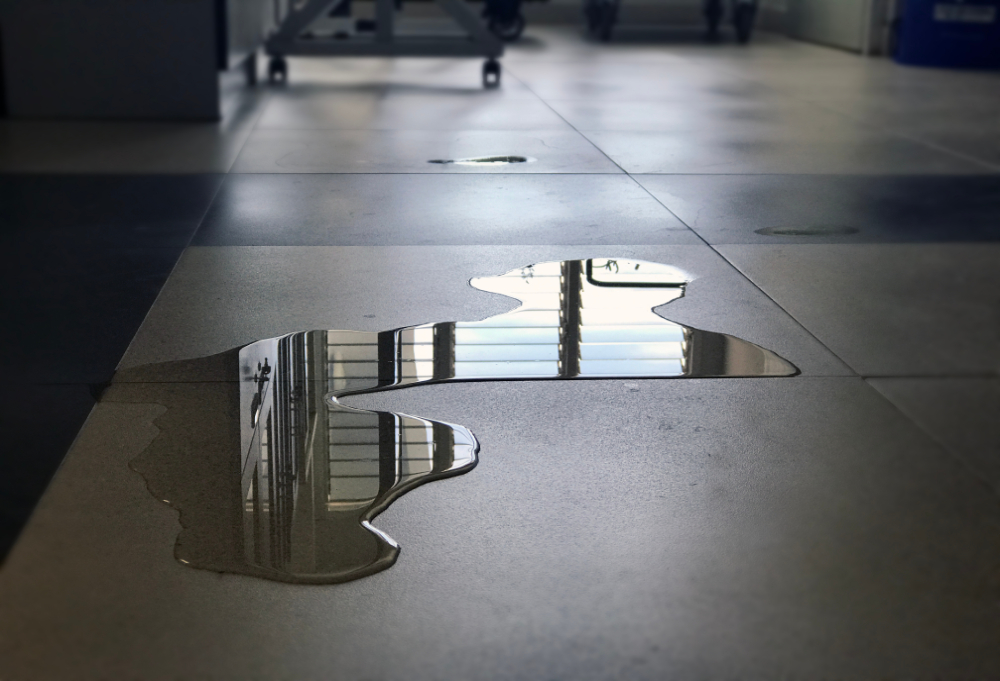
Water damage is one of the most costly problems homeowners face, often resulting in thousands of dollars in repairs and potential health hazards. Before you invest in home waterproofing, it’s important to understand the fundamentals of this essential home maintenance task.
This home waterproofing guide for beginners will help you make informed decisions about protecting your property from moisture intrusion. Whether you’re dealing with basement leaks or looking to prevent future water damage, knowing what to expect will save you time and money in the long run.
Waterproofing vs. Damp Proofing
Many homeowners confuse waterproofing with damp proofing, but these are two distinct processes with different purposes. Damp proofing is a lighter treatment designed to resist moisture vapor and humidity, making it suitable for above-ground applications. Waterproofing vs. damp proofing represents a fundamental difference in protection levels, with waterproofing providing more comprehensive defense against liquid water penetration.
Waterproofing involves applying thick, rubber-like membranes or sealants that create a complete barrier against water. This method is ideal for basements, crawl spaces, and below-ground structures that face direct water pressure. Damp proofing, on the other hand, uses thinner coatings and is better suited for interior spaces and areas not subject to standing water. Understanding this distinction helps you choose the right solution for your specific needs. If your home sits in an area prone to flooding or has a history of water intrusion, waterproofing is your better choice. For milder moisture concerns in upper-level spaces, damp proofing might be sufficient.
Signs Your Home Needs Resealing
Knowing when to reseal your home is crucial for preventing water damage. Signs your home needs resealing include visible cracks in the foundation, peeling paint on exterior walls, and musty odors in basements or crawl spaces. You might notice efflorescence, which appears as white, powdery deposits on concrete surfaces, indicating water has passed through the material.
Watch for water stains on ceilings and walls, particularly after heavy rains. These stains suggest active water penetration that requires immediate attention. If you notice mold or mildew growth, this is a serious warning sign that moisture is accumulating in areas where it shouldn’t be. Bowing or buckling walls in basements are also indicators of hydrostatic pressure building up against your foundation. Additionally, check for rust stains on basement walls, which suggest water has been dissolving minerals in the concrete.
Don’t ignore minor issues like small cracks or slight water seepage, as these problems typically worsen over time. The cost of addressing these issues early is significantly lower than dealing with extensive water damage later. If you’ve noticed any of these signs, it’s time to consult with a waterproofing professional who can assess your home’s condition and recommend appropriate solutions.
Foundation Sealing Basics
Your foundation is your home’s first line of defense against water intrusion, making foundation sealing basics essential knowledge for every homeowner. The foundation experiences constant exposure to groundwater, soil moisture, and rainfall, all of which can compromise its integrity over time. Foundation sealing involves applying protective coatings or membranes to prevent water from entering through cracks, joints, and porous concrete surfaces.
Before applying any sealant, the foundation must be properly cleaned and prepared. This typically involves removing any loose concrete, dirt, or existing coatings that might prevent the sealant from bonding effectively. Small cracks, usually less than a quarter-inch wide, can be filled with concrete caulk or epoxy injections. Larger cracks require more extensive repair, possibly involving hydraulic cement or professional injection systems.
Interior and exterior sealing approaches differ significantly. Interior sealants work by preventing water already in the concrete from migrating further into your living spaces. Exterior sealants prevent water from entering in the first place, which is generally more effective. Many experts recommend combining both approaches for maximum protection. The choice between liquid sealants, membrane systems, and coating applications depends on your specific foundation type, soil conditions, and budget constraints.
Exterior Home Sealing Maintenance
Exterior home sealing maintenance is an ongoing responsibility that protects your entire property from water infiltration. Your home’s exterior envelope includes walls, windows, doors, roof joints, and any other openings where water might enter. Caulking around windows and doors should be inspected annually and replaced every five to ten years, depending on weather exposure and caulk quality.
Roof penetrations, including vents, chimneys, and skylights, are particularly vulnerable to water leaks. The flashing around these areas should be checked regularly and resealed if necessary. Gutters and downspouts also play a crucial role in exterior protection by directing water away from your foundation. Keep gutters clean and ensure downspouts extend at least four to six feet from your foundation.
Siding, whether vinyl, wood, or fiber cement, requires regular inspection for gaps, cracks, or deterioration. These vulnerabilities allow water to penetrate behind the exterior surface and compromise the underlying structure. Caulking gaps between siding pieces and around trim is essential for maintaining exterior home sealing maintenance standards. Paint or stain on wood exteriors should be refreshed periodically to maintain its water-resistant properties.
Protecting Your Home From Water Damage
The ultimate goal of waterproofing is protecting your home from water damage, which extends beyond just basements and foundations. Water damage can affect insulation, framing lumber, electrical systems, and indoor air quality. Whole-house weatherproofing involves examining every potential entry point for water and addressing vulnerabilities systematically.
Attics frequently experience water damage through roof leaks that homeowners don’t immediately notice. Regular attic inspections can reveal water stains, mold growth, and damaged insulation before serious problems develop. Crawl spaces under homes are another common area where moisture accumulates, leading to structural damage and mold proliferation. Encapsulating crawl spaces with plastic vapor barriers and proper drainage can prevent many moisture-related problems.
Protecting your home from water damage also means understanding your local climate and soil conditions. Homes in areas with high water tables or heavy rainfall require more robust waterproofing systems. Similarly, clay soils that retain moisture longer need additional drainage considerations compared to sandy soils. Working with a waterproofing professional who understands your specific geographical and geological conditions ensures appropriate solutions for your property.
Conclusion
Home waterproofing is not a one-time project but an ongoing commitment to protecting your investment. By understanding the fundamental concepts and warning signs of water intrusion, you can make informed decisions about waterproofing and damp proofing your property. Regular maintenance and timely repairs will help you avoid the costly consequences of water damage while preserving your home’s structural integrity and safety for years to come.
Need Waterproofing Services Near You?
At Go Dry Waterproofing, we take pride in being Kingsport’s trusted experts in protecting homes and businesses from costly water damage, delivering dependable solutions like basement waterproofing, foundation repair, crawlspace encapsulation, sump pump installation, and mold remediation with a commitment to quality and long-term results. Our experienced team uses proven techniques and attentive service to ensure your property stays safe, dry, and structurally sound, giving you confidence and peace of mind no matter the season. If you are ready to safeguard your property with a team that puts your needs first, reach out to us today to schedule your consultation and get started.